


Winter's Influence on Your Lawn
Posted on 03/05/2025
As the days grow shorter and temperatures begin to drop, taking the time to understand winter's influence on your lawn can make a significant difference in the health and appearance of your grass come spring. Winter may seem like a dormant period for grass, but it's a critical time for lawn care. In this comprehensive guide, we'll explain how winter affects your lawn, outline some vital tips for winter lawn care, and discuss the pros and cons associated with winter conditions.
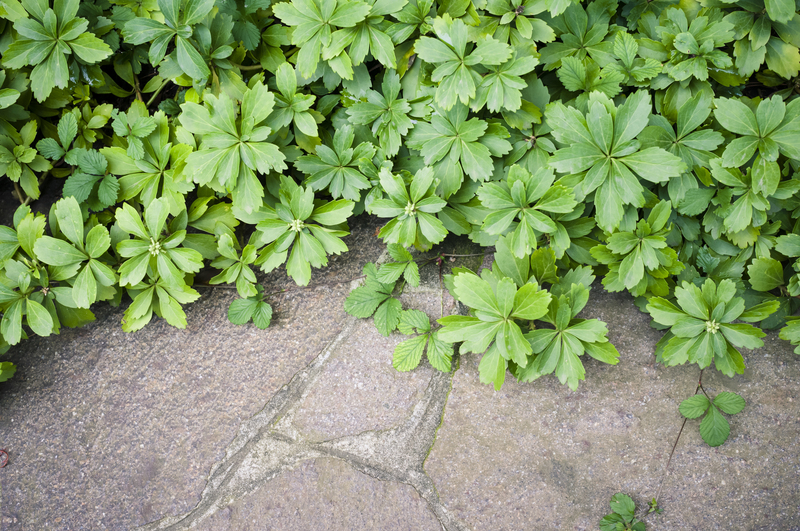
Understanding the Impact of Winter on Your Lawn
Winter weather brings a range of conditions that can affect your lawn in various ways. These include temperature fluctuations, snowfall, frost, soil compaction, and limited sunlight.
1. Temperature Fluctuations: Sudden drops in temperature can cause stress to the grass, leading to potential damage and slowed growth.
2. Snowfall: Snow acts as an insulator and provides a protective blanket, but heavy and prolonged snow cover can lead to issues like snow mold, a fungal disease that thrives under the snow.
3. Frost: Frost can form on grass blades, making them brittle and prone to breaking. Walking on frosted grass can lead to damage and dead spots.
4. Soil Compaction: Wet and heavy snow or ice can compact soil, reducing aeration and limiting essential nutrients' reach to grassroots.
5. Limited Sunlight: Shorter days and weak winter sunlight can reduce photosynthesis, leading to slower growth and potential thinning of your lawn.
Essential Winter Lawn Care Tips
Taking proactive steps during winter can greatly influence the health of your lawn. Here are some essential tips:
1. Mowing Heights: Gradually lower the mowing height as winter approaches, but avoid scalping the grass. Shorter grass can resist disease and build up less thatch.
2. Raking Leaves: Ensure you rake fallen leaves and debris off your lawn. This prevents matting and allows sunlight to reach the grass.
3. Avoid Heavy Traffic: Minimize foot traffic on frosted or snow-covered lawns to avoid compaction and damage.
4. Fertilization: Apply a slow-release fertilizer in late fall to provide essential nutrients throughout winter. This helps grass withstand cold temperatures and prepares it for spring growth.
5. Aeration: Aerate your lawn before the ground hardens. Aeration improves soil structure, aiding nutrient and water absorption.
6. Control Snow Mold: Implement proper drainage and remove excessive snow build-ups to reduce the risk of snow mold.

Pros and Cons of Winter Conditions
Understanding the benefits and drawbacks of winter can help you make informed decisions about lawn care.
Pros:
1. Natural Insulation: Snow acts as a protective blanket, insulating the grass from severe cold and preventing desiccation (drying out).
2. Moisture Retention: Melting snow provides a slow-release hydration to the soil, ensuring grassroots have access to water.
3. Dormancy: Grass enters a period of dormancy, conserving energy and reducing the need for frequent mowing or watering.
Cons:
1. Snow Mold: Prolonged snow cover can create ideal conditions for snow mold, leading to fungal infections.
2. Soil Compaction: Heavy snow and ice can compact soil, jeopardizing root growth and nutrient uptake.
3. Limited Sunlight: Reduced sunlight can inhibit photosynthesis, making the grass weaker and more susceptible to disease.
Key Takeaways
1. Winter has a dual role of presenting both protective and harmful conditions for your lawn.
2. Proper winter lawn care, including raking, mowing, aeration, and fertilization, can mitigate winter's adverse effects.
3. Understanding the pros and cons of winter conditions can guide you in making better lawn care decisions.
Conclusion
Winter's influence on your lawn is profound, and preparing your grass for the cold months can make a world of difference when spring arrives. Implementing the tips and recommendations provided will not only protect your lawn from winter stresses but also ensure it thrives in the coming seasons. By understanding the dynamically balanced impact of winter and taking proactive measures, you can secure a lush, healthy lawn year-round.
In summary, take advantage of winter's natural protective benefits while mitigating potential harms through strategic lawn care practices. Your efforts will be rewarded with a vibrant, resilient lawn ready to bounce back with vigor when winter turns to spring.
Latest Posts
Creating a Serene Zen Garden Oasis
Perfect Mow Timing: How Often to Trim Your Lawn?